How To Design Economic Resets in Games
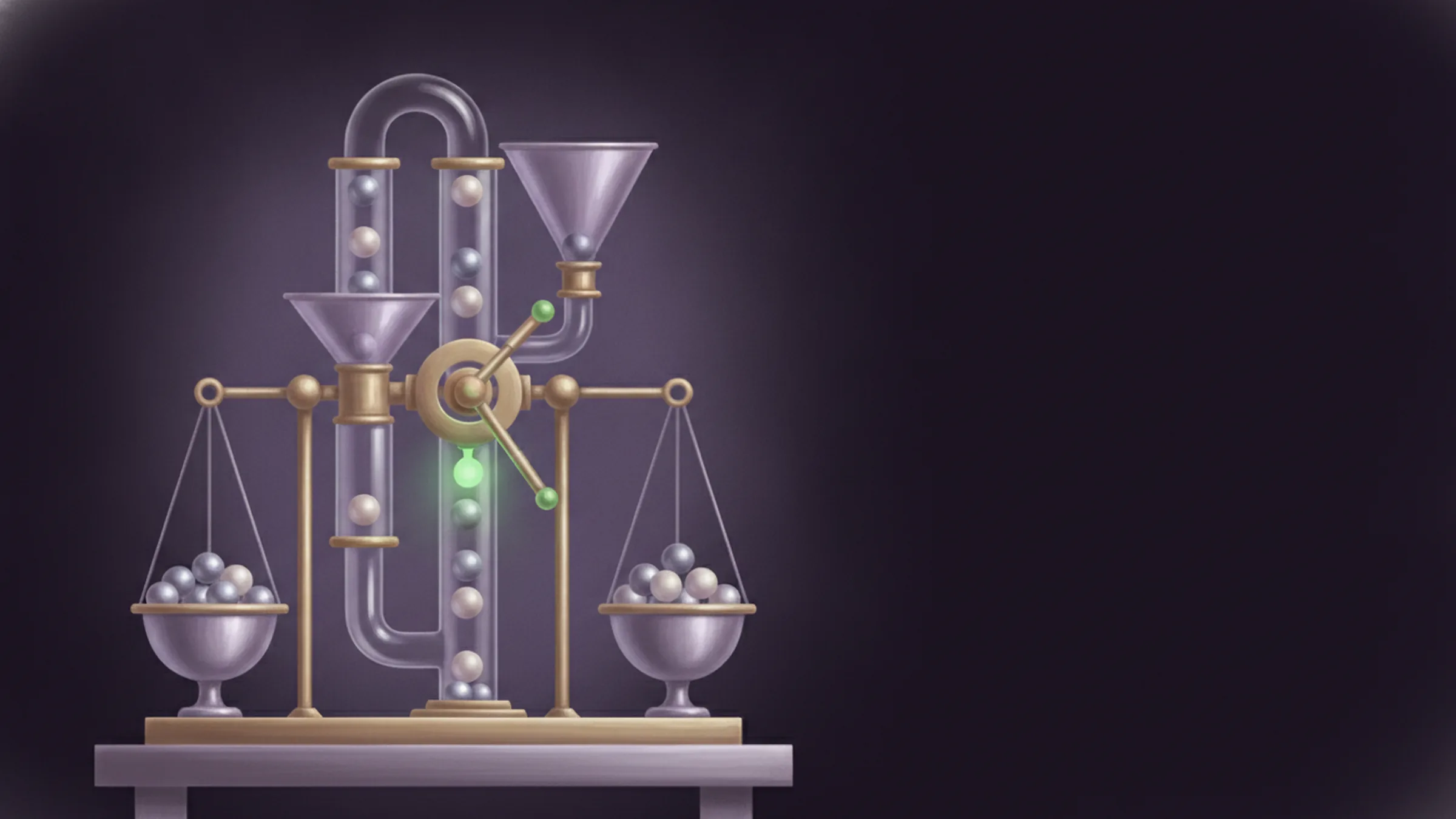
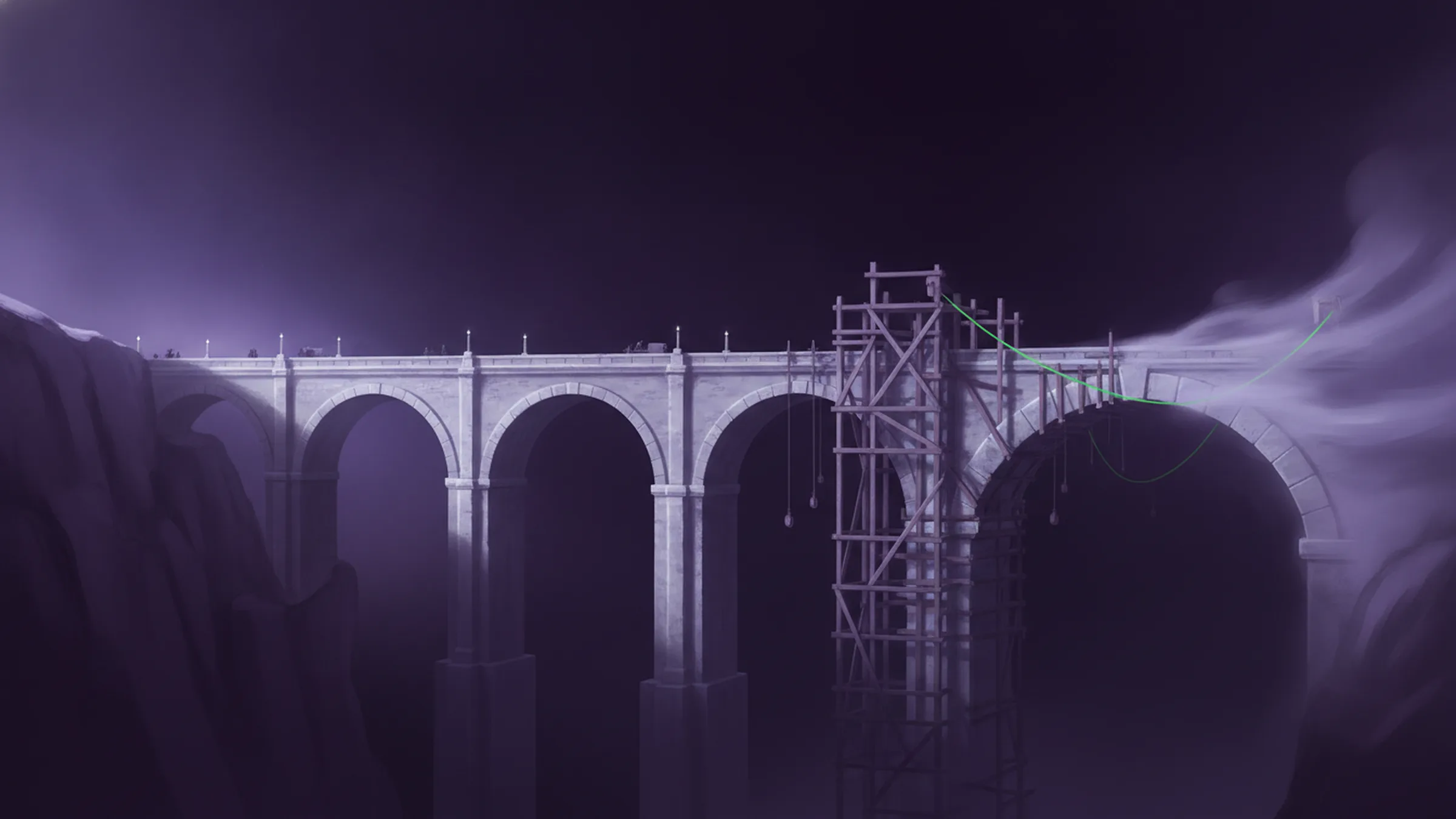
Explore how economic resets in blockchain games create strategic depth and fair progression by managing asset cycles, staleness, and value stability
此页面有简体中文版本。
此頁面有繁體中文版本。
Explore game design questions through visible rules, resource flows and feedback loops.
Explore how economic resets in blockchain games create strategic depth and fair progression by managing asset cycles, staleness, and value stability
Watch our latest webinar on using Machinations to optimize LiveOps! Learn how to simulate feature impact, predict player engagement, and optimize F2P game strategies with best practices and case studies
In this podcast, Mihai discusses balancing game systems, using simulations to predict player behavior, and overcoming challenges in game design.
As Machinations is sponsoring the best prototype of GDWC, let us explore the games that are competing for the best prototypes of the winter season.
Explore the detailed comparison between Machinations and traditional spreadsheets for game design.
At Machinations, we've presented diagrams & outcomes to hundreds of teams. Here are some tips and tricks for a successful presentation.
For game designers seeking to enhance their craft, here are 19 tips to keep in mind for improving the game economy.
A guide through the critical decisions of what (and what not) to model and how the right design questions can lead to more efficient models.
In this article, we will explore the symbiotic relationship between Systems Thinking and Machinations.
Meet our team at Gamescom 2023 and learn how Machinations empowers studios with design-and-play predictions.
Discover practical strategies and guidance to optimize your modeling process and unlock the full potential of your simulations.
Meet Machinations at GDC, and join us for a talk with Pr. Edward Castronova on how economies can be managed for maximum player engagement and retention.
If you plan to attend GDC 2023, making the most of your time there is important. Here are some tips on how to get the most out of the conference.
Live ops means adding content, events and features to a game after launch without a new version. Benefits, first steps and examples from PUBG to Minecraft.
Meet our Community Member, Spacedog, who is sharing with us how she moved from Spreadsheets to Machinations to bring balance to her game economy design.
Six steps for designing a puzzle game: difficulty, puzzle types, feedback, progression, look and engagement. Plus design principles and a diagram to Play.
Game system design and the concept of affordances. How they work, what makes them powerful, and examples of how to use them effectively.
What the Metaverse is and isn't, and how it will reshape the games industry and the practice of game design.
Simplistically, feedback loops take an output and introduce it as an input. How do game designers use feedback loops in games and why?
A breakdown of what an idle game is and the building blocks of its game design. Plus a video on how to balance an idle game in Machinations.
Nine tools for game designers, each with a short description: Quest, Twine, Stencyl, Google Drive, Articy Draft, Miro, Construct 3, RPG Maker, Game Maker.
Learn how battle passes affect progression and game economies, and which rewards, prices and player paths to examine when balancing them.
Understand how inflation develops in game economies and explore ways to model currency sources, sinks and player behavior.
Izel Levi, student at BAU Game Design Undergrad Program, recounts his experience of using Machinations to balance an endless runner.
What a gacha box is, how it differs from a loot box, whether it is gambling, and how to design one around depth, width and need. With a model to Play.
An article about what the simulation data we got out of a deconstruction model for Supergiant Games' Hades can mean for gamers.
Making an effective free to play game isn’t as simple as throwing IAPs into a battle-royale title. Why is game economy design important?
As a game economy designer, I felt my team and I were always in a tug of war with deadlines and producing enough content.
Model the loops in your design, Play a hundred sessions in seconds and see which ones players will feel.